BaBayte
Autonomous Systems and Robotics
AI-powered onboard threat detection and evasive maneuver software that keeps drones alive in contested airspace.
BabAI runs entirely on the drone, with no cloud link, and ships to drone makers as a per-unit software license.
Proven in combat: 450+ combat hours across 17 deployments, with an 87% evasion success rate.
More about BaBayte
- Sector
- Autonomous Systems and Robotics
- Sub-sector
- UAV Survivability / Counter-Intercept AI
- Business model
- Software
- Vintage
- 2026 (Q1)
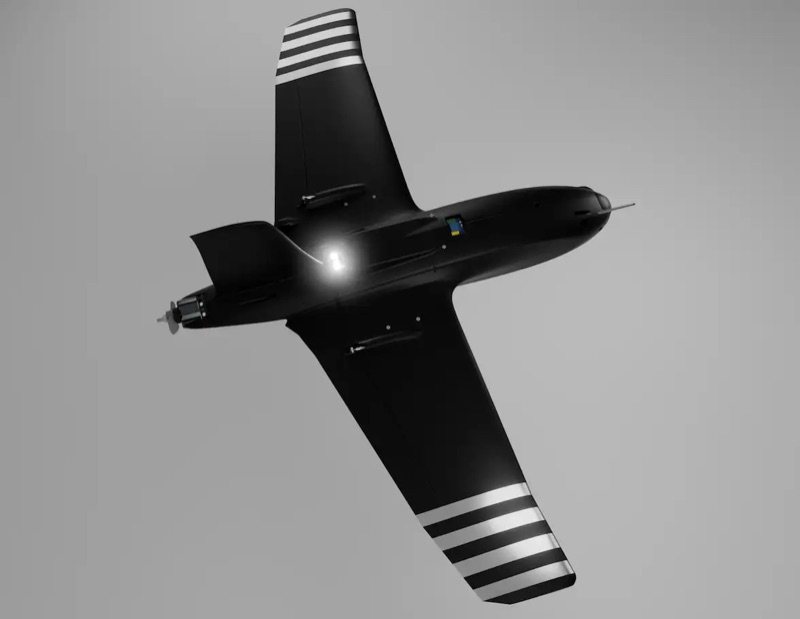
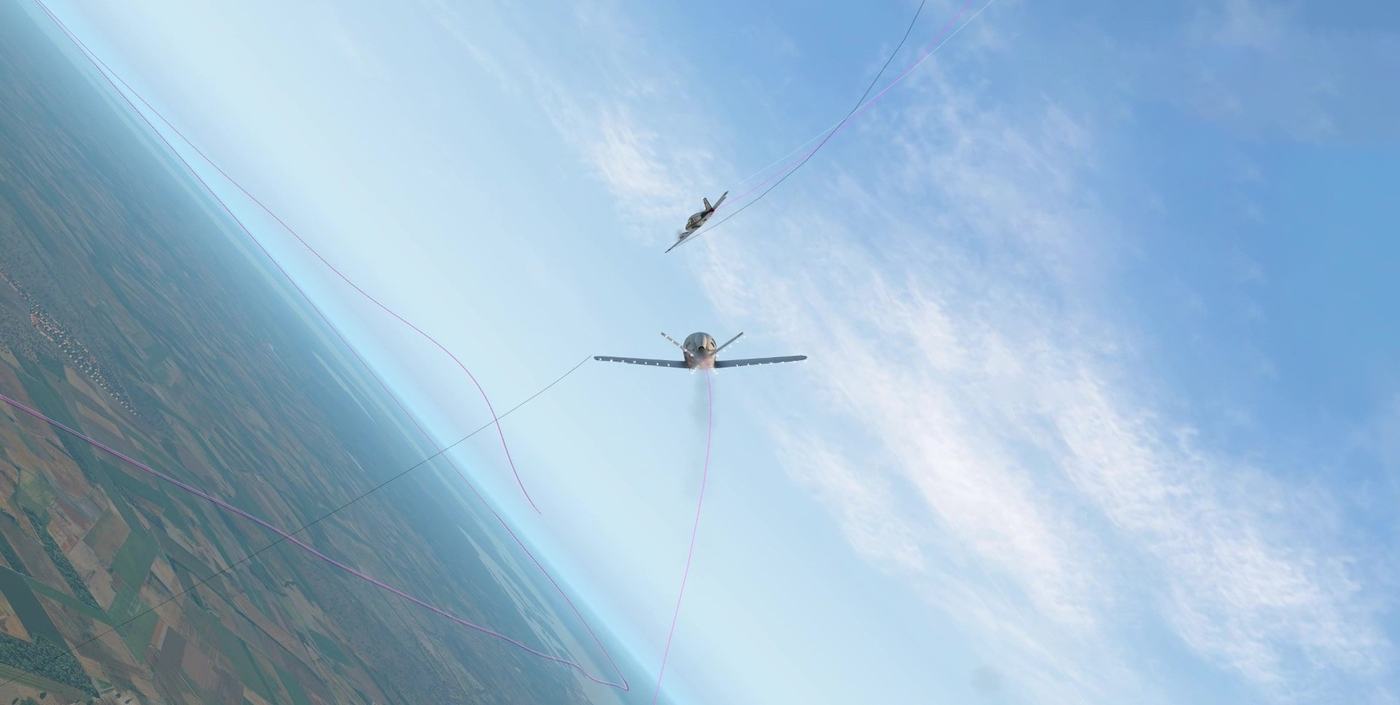
Babayte makes drones harder to kill. Its flagship product, BabAI, is an onboard software module that uses electro-optical and infrared cameras paired with real-time machine learning to detect, track, and evade incoming threats, from interceptor drones to FPVs. The system runs trajectory prediction and triggers autonomous evasive maneuvers fast enough to break an intercept geometry, all at the edge with no cloud dependency.
Combat-proven and hardware-light. BabAI is designed to bolt onto existing UAV platforms as a lightweight add-on: a compact AI accelerator paired with day/night cameras that feeds commands directly into the flight control loop. No airframe redesign required. OEMs can embed the module natively; operators in the field can integrate it onto existing assets in minutes.
Why it matters. As intercept drones and kinetic C-UAS threats proliferate, survivability is becoming the bottleneck for drone operations at scale. Babayte sits at that exact chokepoint, turning every equipped UAV from a disposable asset into an adaptive one. With integration partnerships spanning Ukrainian defense manufacturers and R&D collaboration with the University of Tartu, Babayte is building the default self-defense layer for autonomous systems operating in denied environments.
Claymore Industries
Counter-UAS
Hard-kill counter-drone systems built around the company’s patented barrel technology.
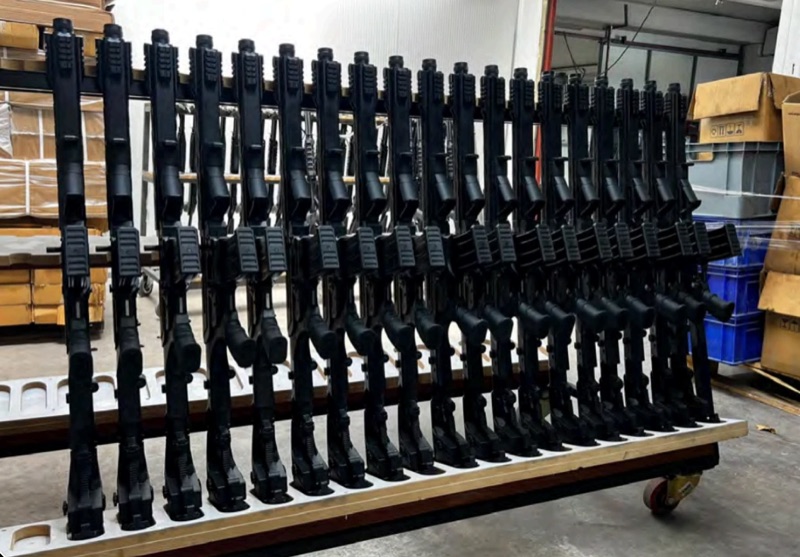
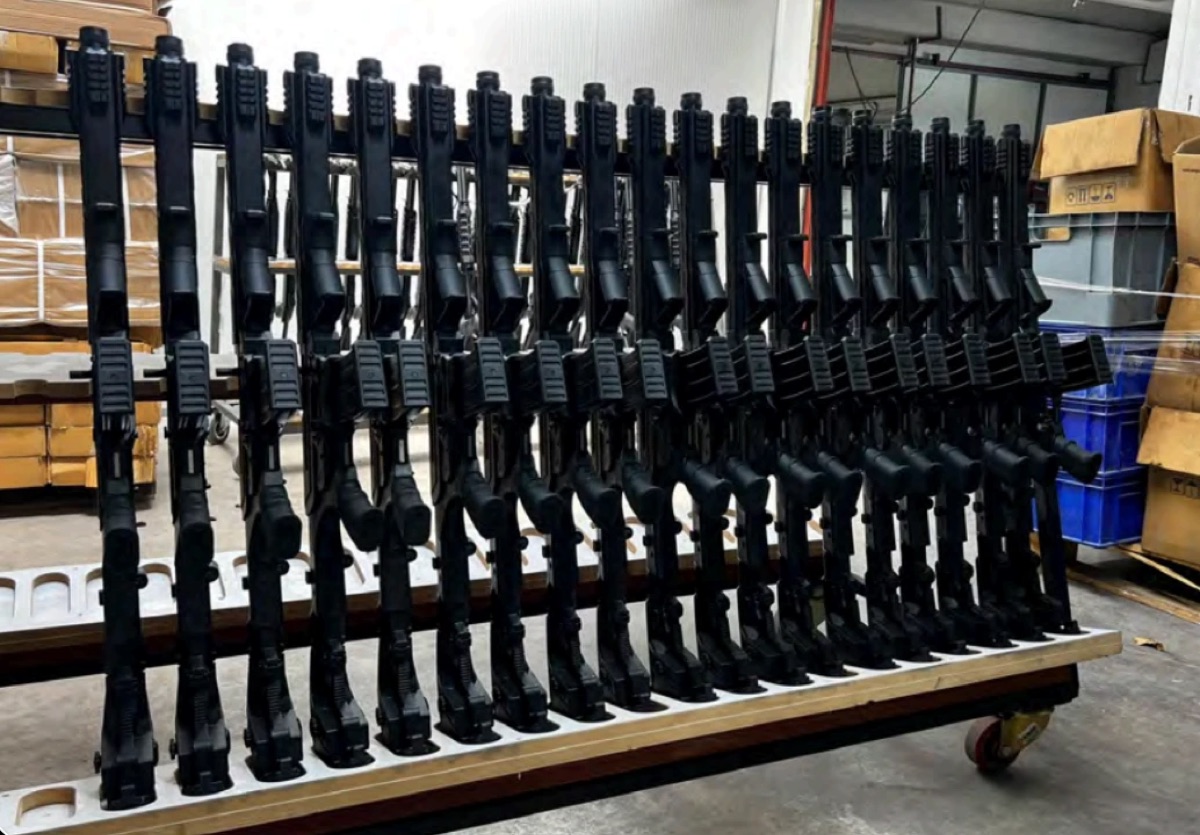
DroneBuster is a purpose-built shotgun system for defeating FPV drones at close range, manufactured at scale for Ukraine and other price-sensitive militaries.
Twenty field-evaluation units built within four months of first funding; first systems now heading to Ukraine.
More about Claymore Industries
- Sector
- Counter-UAS
- Sub-sector
- Hard-kill counter-FPV
- Business model
- Hardware
- Headquarters
- Scotland
- Vintage
- 2026 (Q1)
Claymore Industries is a UK defense technology company that pivoted from demining into the urgent counter-FPV market. Its DroneBuster is a purpose-built, shotgun-based system for hard-kill defeat of small drones at close range.
The company moved from concept to twenty field-evaluation units within four months of its first funding, and it is building DroneBuster into a family of counter-UAS products covering different threats, engagement ranges, and price points.
Falcons
Electronic Warfare
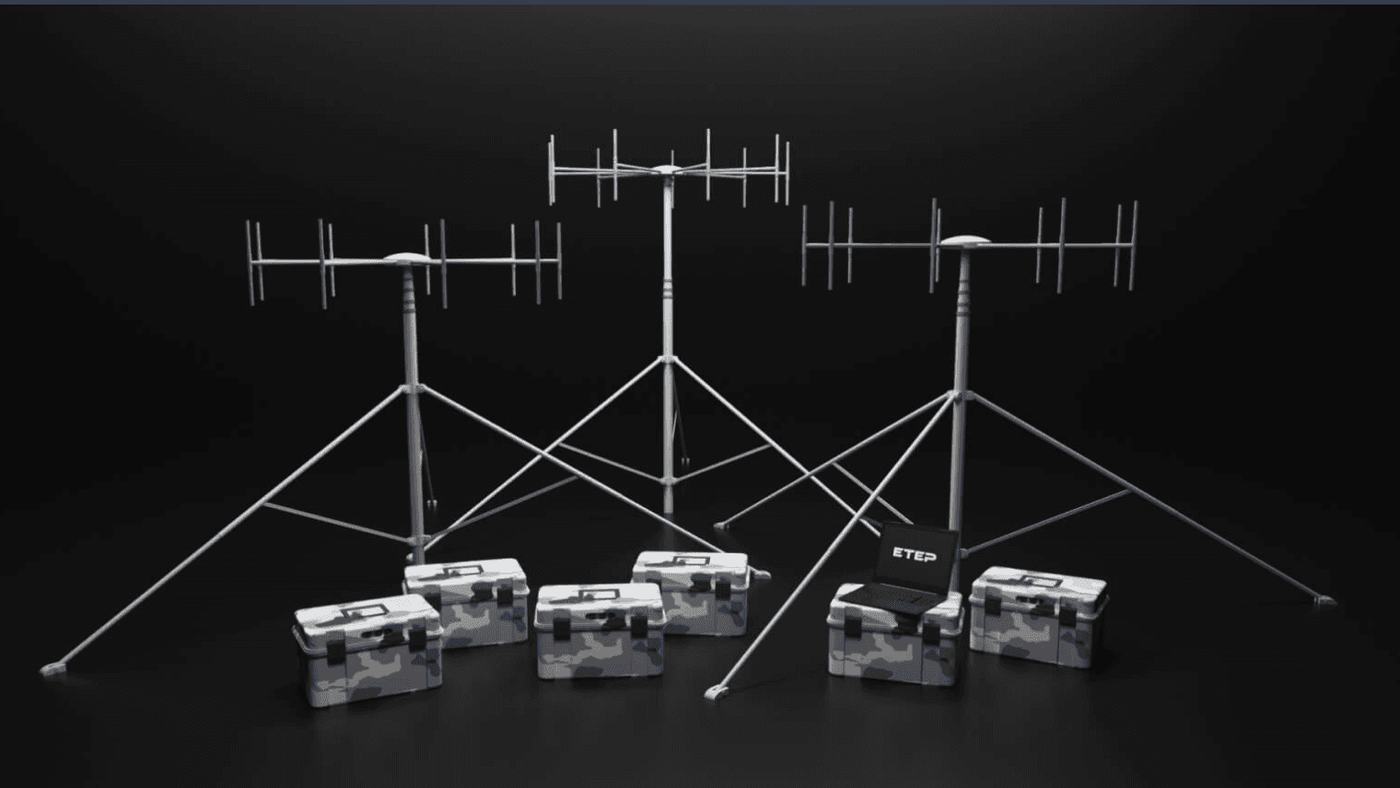
Portable, low-cost, passive anti-radiation targeting and tracking system.
Its ETER passive radar maps enemy radio emissions across the battlefield, and its GPS-independent autopilot guides drones onto emitting targets such as jammers.
In low-rate production, with its first production batch delivered to users.
More about Falcons
- Sector
- Electronic Warfare
- Sub-sector
- Counter-EW
- Business model
- Hardware & Software
- Vintage
- 2025 (Q3)
Compact RF-seeking systems that detect, locate, and neutralize radio-emitting threats like FPV drones and jammers. Core products include ETER, a passive radar for battlefield signal mapping, and a GPS-agnostic autopilot module for drones that enables precise kinetic targeting.

GutSee Health
Battlefield Health
An AI discovery platform for precision phage and microbiome therapies, including treatment of antibiotic-resistant infections in wounded soldiers.
Its platform pairs multi-omics data with AI modeling to design precision phage therapies against antibiotic-resistant infections.
Completed Phase 1 of NATO DIANA; demonstrated at NATO OPEX in Estonia.
More about GutSee Health
- Sector
- Battlefield Health
- Sub-sector
- AI-driven phage therapy
- Business model
- Therapeutics
- Headquarters
- United Kingdom
- Vintage
- 2026 (Q1)
GutSee Health is a UK biotech company, founded in 2024 by Dr. Joanna Wiecek and Dr. Ketaki Mhatre, that pairs multi-omics data with AI modeling to design precision therapies. Its core platform targets chronic gut disorders such as IBS and IBD.
Through its PhageX program, the team applies the same platform to bacteriophage therapy for antibiotic-resistant infections, one of the most pressing medical problems on Ukraine's front line. In late 2025 the company signed a memorandum of cooperation with Ukraine's Ministry of Digital Transformation and Ministry of Health to develop AI-powered phage therapy for wounded soldiers, and PhageX won the European Defense Tech Hackathon.
Why it matters. Antibiotic resistance is a battlefield problem today and a civilian one tomorrow. GutSee shows where the dual-use line actually sits.
HIMERA
Tactical Communications
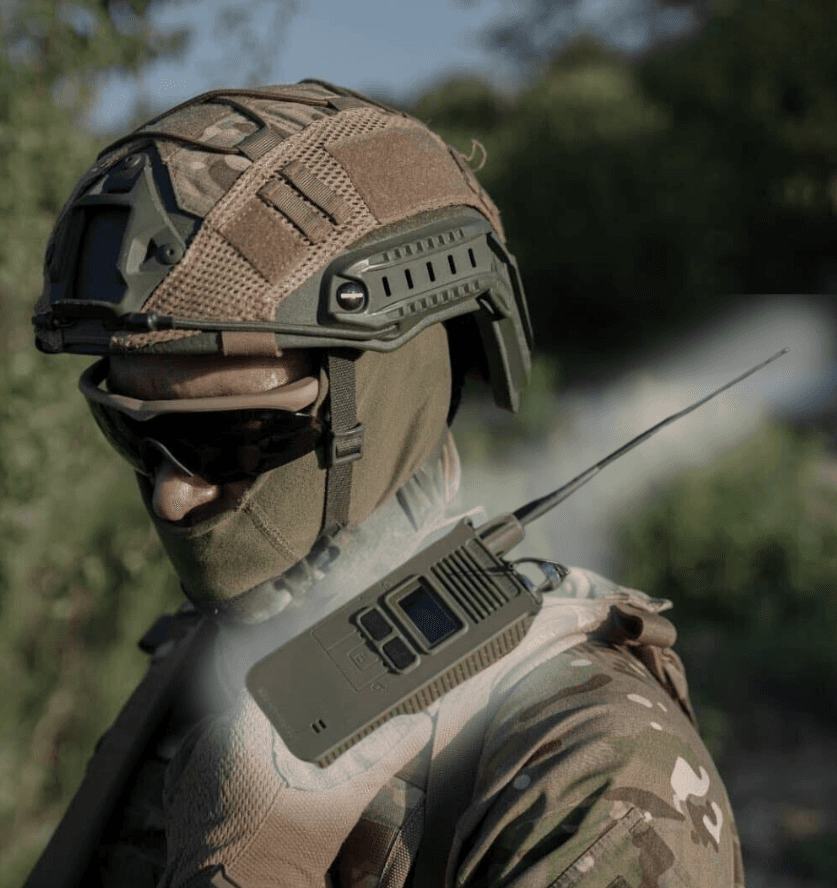
Battle-tested radios with next-gen encryption and near-zero downtime; the trusted backbone for tactical communication in the world's harshest combat zones.
The G1 Pro combines frequency hopping, AES-256 encryption, and a self-healing mesh network to keep units in contact under heavy jamming.
MoU with Finland’s Bittium on secure tactical communications; field-tested in the U.S.; integrated with ATAK.
More about HIMERA
- Sector
- Tactical Communications
- Sub-sector
- Encrypted Radios
- Business model
- Hardware / SaaS
- Vintage
- 2024 (Q2)
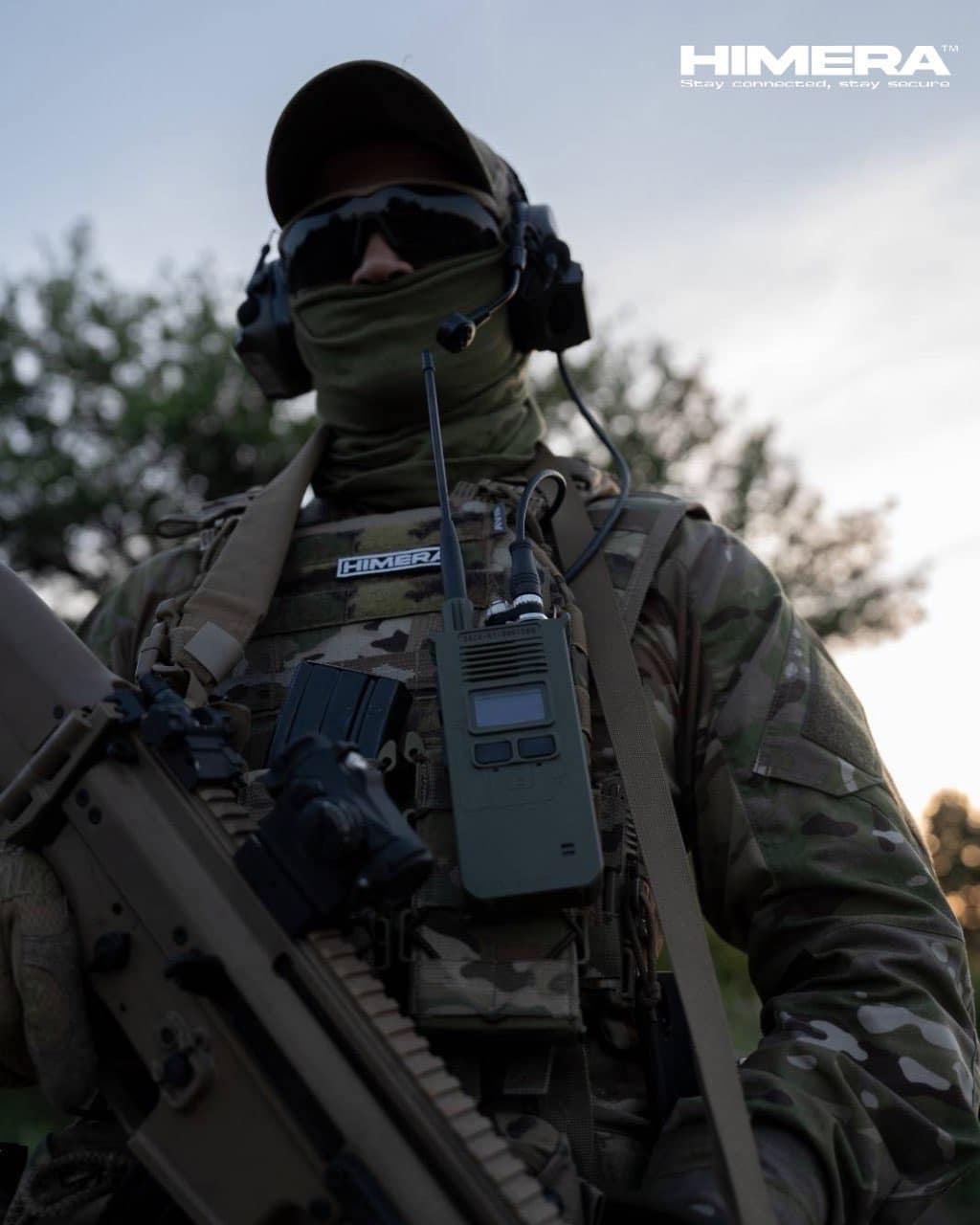
Himera is a leader in tactical communication technology, developing battle-tested, encrypted radio systems that thrive in the world's harshest electronic warfare environments. Headquartered in Kyiv, Himera's flagship G1 Pro and G1 Pro Tactical Communication System are engineered to withstand jamming, interception, and other threats. They deliver secure, adaptable communication through frequency-hopping spread spectrum (FHSS), AES-256 encryption, and a self-healing mesh network, with an interface designed for both advanced and less tech-savvy soldiers and simple setup through Android apps.
Unlike legacy military radios, which are expensive and bulky, Himera's systems are compact, affordable, and proven in active combat. Deployed in thousands of frontline units across Ukraine, they're known for reliability, low detectability, and adaptability. Himera is also expanding into civilian markets like infrastructure security and law enforcement, a dual-use growth trajectory backed by early NATO certification milestones and international sales.
Kara Dag Technologies
Counter-EW
Portable, cost-effective products for detecting, tracking, jamming, and cataloging enemy UAS.
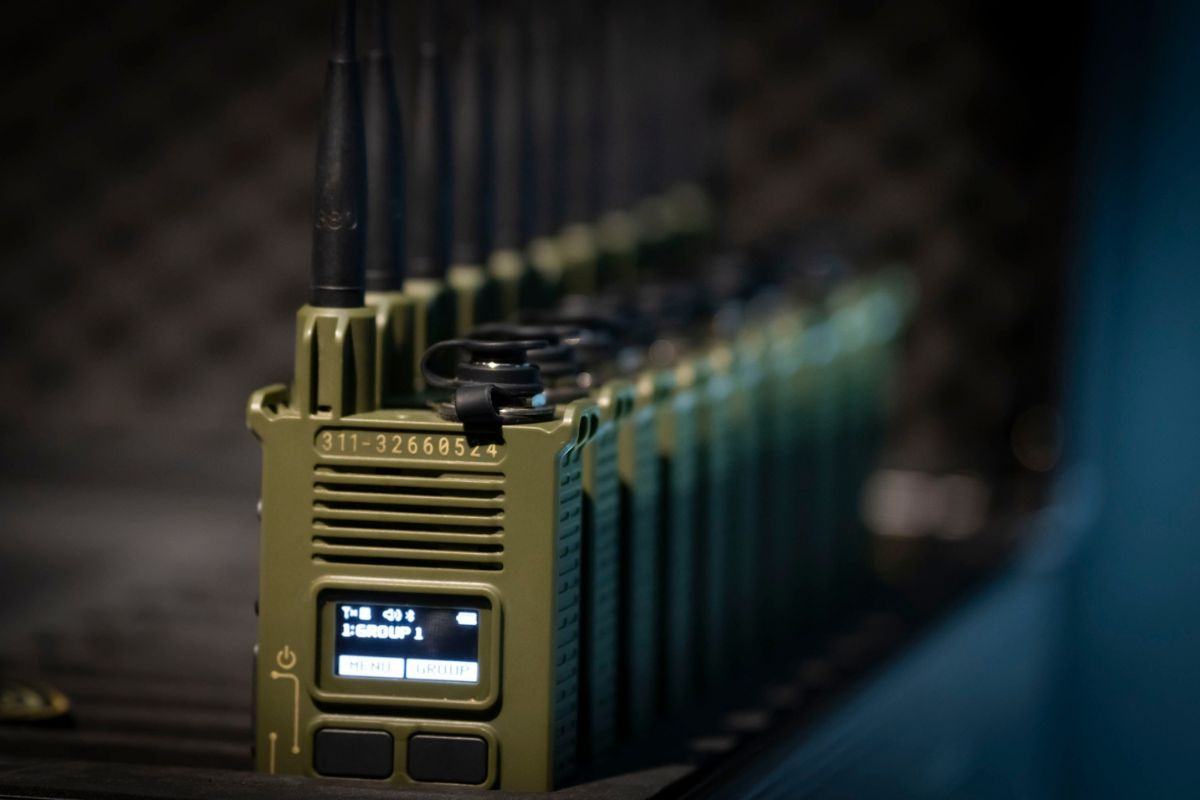
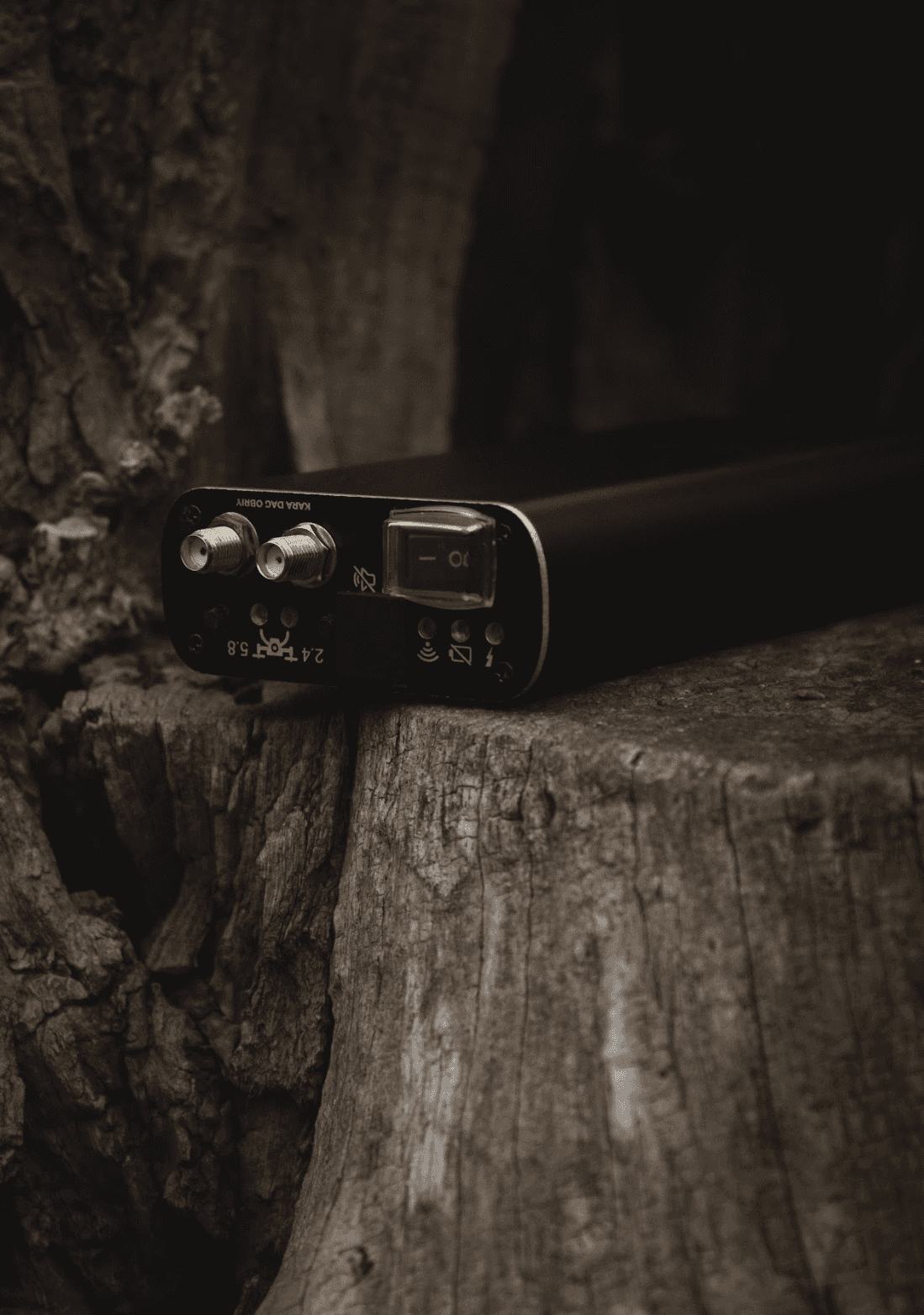
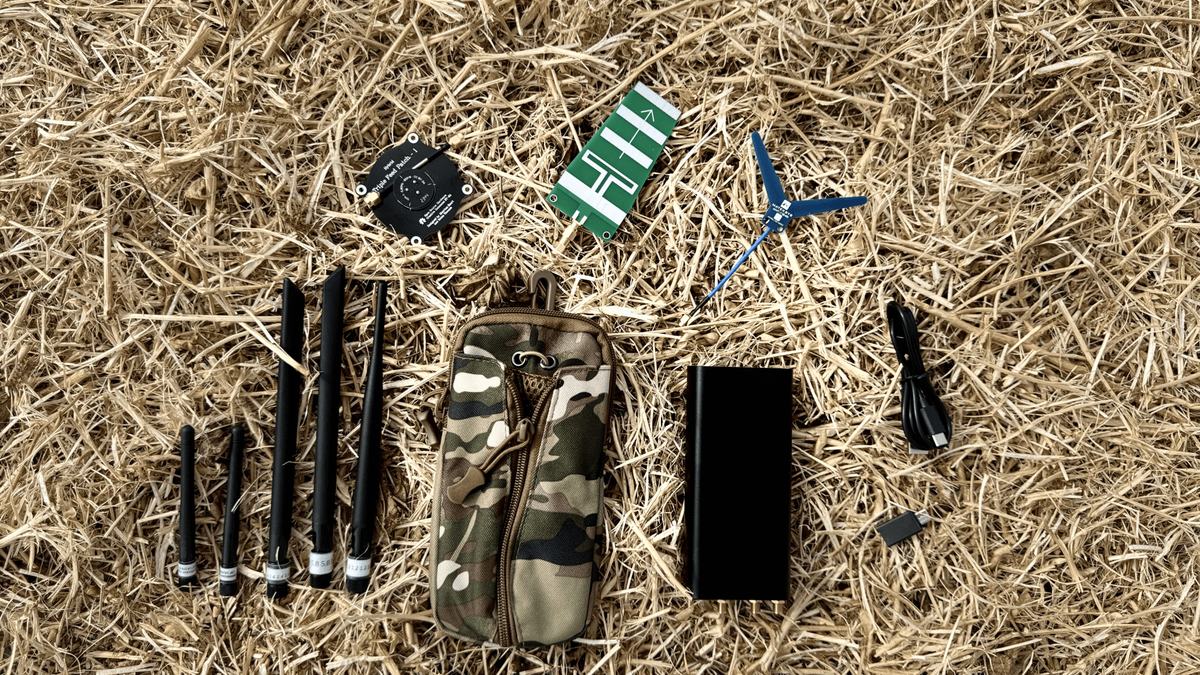
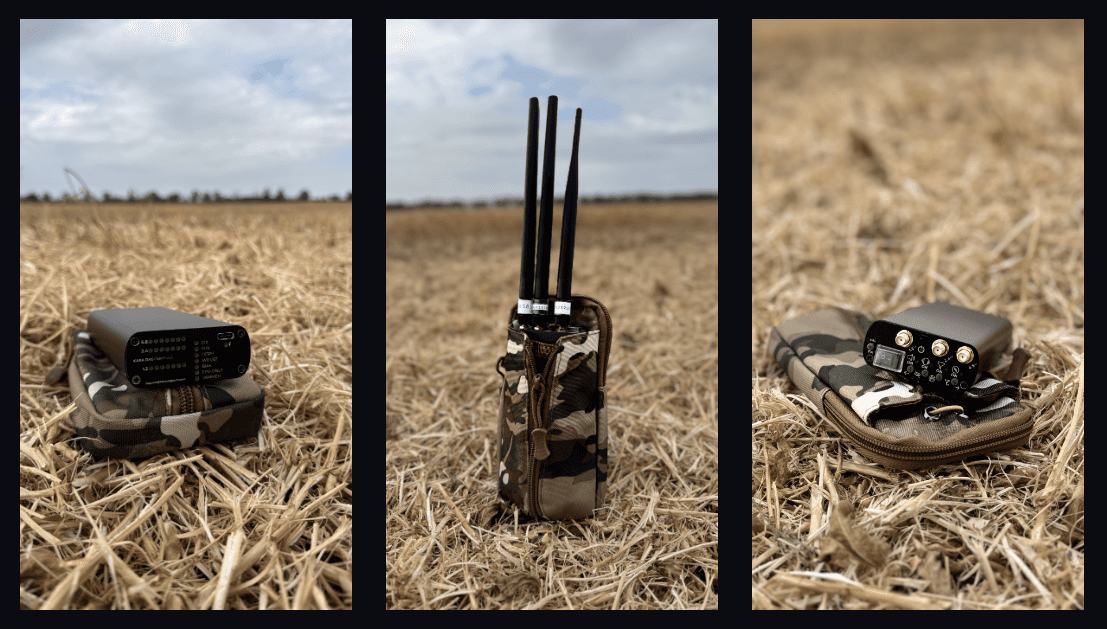
Its Obriy detectors identify drones by their radio signatures, drawing on a shared signature library that updates every device in the field.
Partnership with Anduril; sales in the U.S., Asia, and South America; more than 2,000 active users.
More about Kara Dag Technologies
- Sector
- Counter-EW
- Sub-sector
- UAS Indication & Warning
- Business model
- Hardware / SaaS / Platform
- Vintage
- 2024 (Q2)
Kara Dag Technologies is a rapidly scaling innovator in counter-UAS and electronic warfare, delivering a platform-centric suite of detection, tracking, jamming, and cataloging solutions for modern battlefields and critical infrastructure. Its modular systems, including the flagship Obriy Drone Detector and Striborg Signal Intelligence Module, have proven themselves in some of the world's most intense conflict zones, with battlefield-tested detection ranges of up to 4,000 meters.
A key differentiator is its proprietary, continuously updated database of drone signatures: the largest of its kind, akin to a VirusTotal for drones. Each deployed device, handheld or mounted, captures new drone signals and contributes them to a globally accessible database. When a drone is identified and cataloged in one combat zone, it becomes instantly available to any Kara Dag system worldwide. That shared intelligence layer delivers near-real-time updates on drone threats and forms an ever-growing moat.
Beyond the hardware, Kara Dag's platform is deeply operator-driven. Its lightweight, affordable systems don't require specialized training, empowering soldiers, law enforcement, and critical infrastructure operators alike. Devices can be deployed individually or as a networked “protection swarm,” providing adaptable coverage in dynamic threat environments.
Relentless feedback loops from frontline users keep the product ahead of the curve, with daily updates and a clear focus on real-world utility. Low-cost, highly modular, and continually improving, Kara Dag is well positioned to shape the future of counter-drone operations and battlefield electronic resilience.
MaXon Systems
Counter-Drone
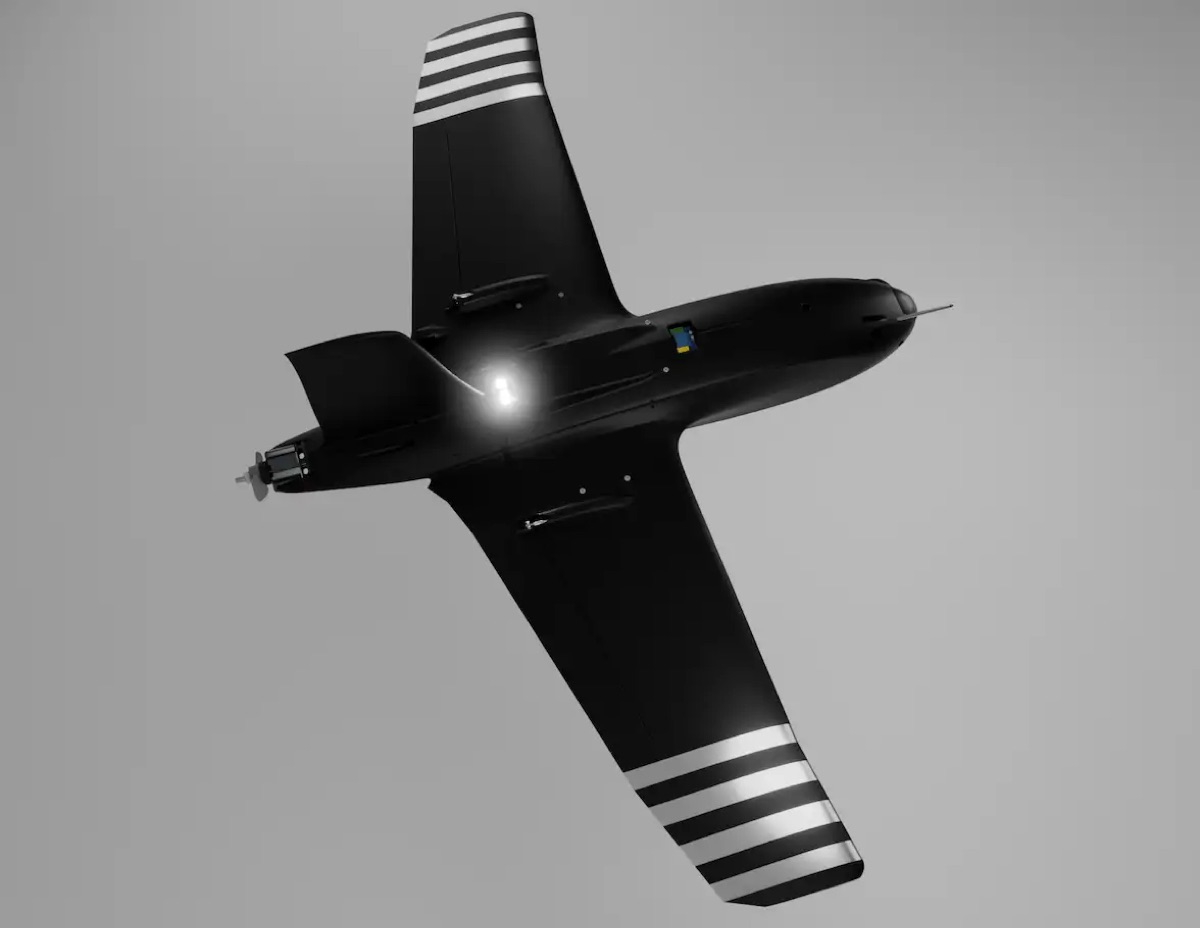
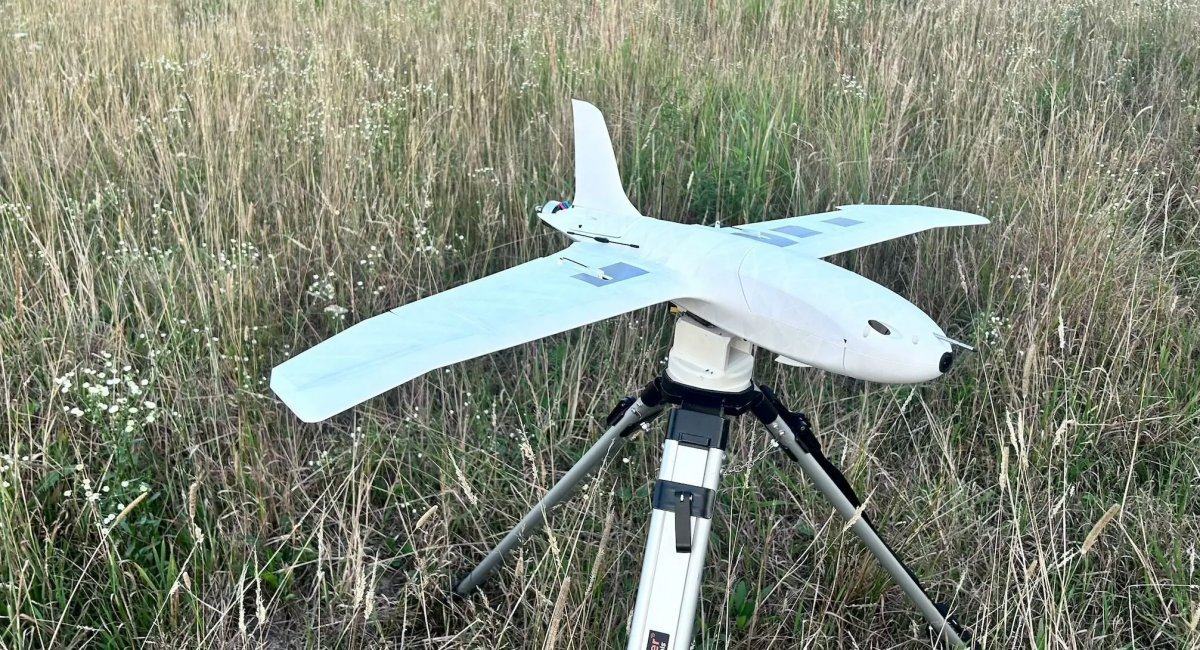
Cost-effective, autonomous air-to-air interception system to protect cities and critical infrastructure from long-range strike drones.
Its Eichel interceptor and integrated detection, targeting, and guidance software engage Shahed-type drones autonomously in GPS-denied, heavily jammed conditions.
Achieved a battlefield-confirmed, fully autonomous interception of a Shahed-type drone in June 2026, publicly confirmed by Deputy Prime Minister Mykhailo Fedorov.
More about MaXon Systems
- Sector
- Counter-Drone
- Sub-sector
- Air-to-Air Sector Defense
- Business model
- Hardware / Software
- Vintage
- 2025 (Q1)
MaXon is building an autonomous air defense system designed to counter mass Shahed-type drone attacks, where today's manual FPV intercept model does not scale. Its detect-to-defeat stack pairs a proprietary high-speed interceptor (Eichel) with integrated detection, targeting, and guidance software built to function in GPS-denied, EW-heavy conditions. The goal is to shift interception from pilot workload to software execution.
In MaXon's current workflow, the system compresses an intercept into a tight sequence of actions: launch, target selection, and engagement confirmation. This enables a remote command post to dispatch multiple interceptors against multiple targets in parallel.
MaXon combines battlefield traction with a clear path to autonomy at scale. The team reports 16 km proven detection with its Detection & Tracking Unit, multiple real-target contacts in automatic guidance mode, and active collaboration with multiple combat units. MaXon System V1 is positioned as commercially ready, while last-mile terminal guidance progresses through testing.
The roadmap is shaped by the constraint that matters most: high-volume defense. That includes multi-interceptor control, remote command-center operations, and all-weather terminal guidance, including FMCW radar integration work already underway with a large EU automotive partner.
Teletactica
Communications
Rugged, modular communication systems designed for reliability in high-threat environments.
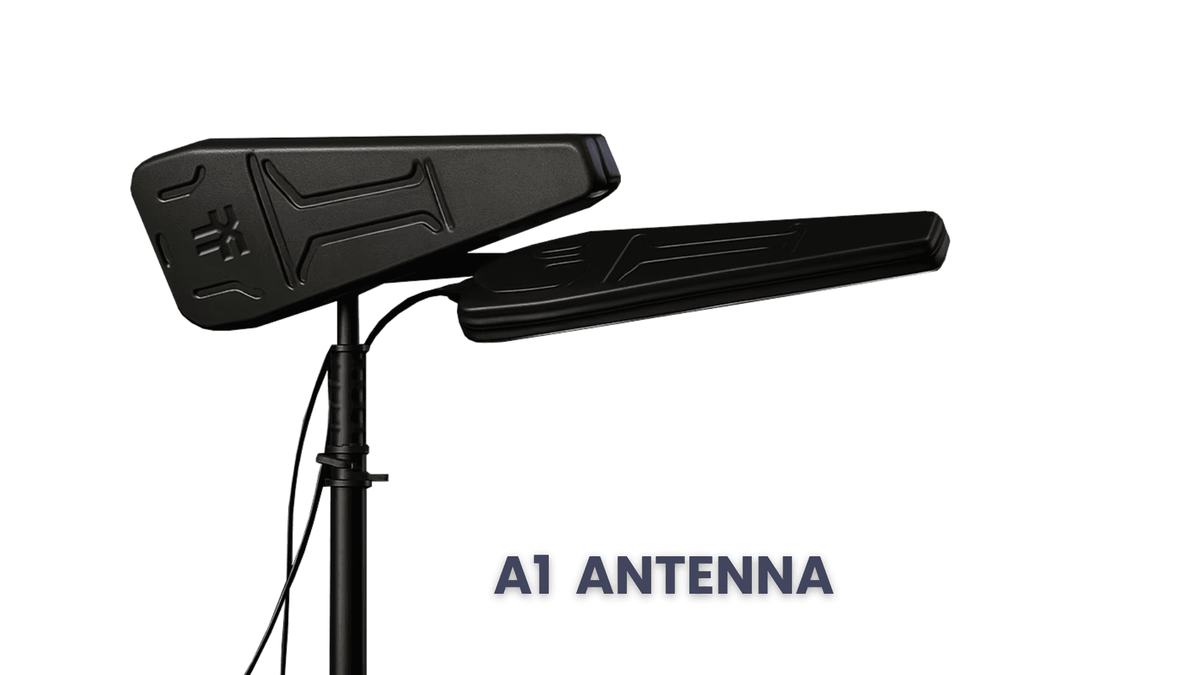
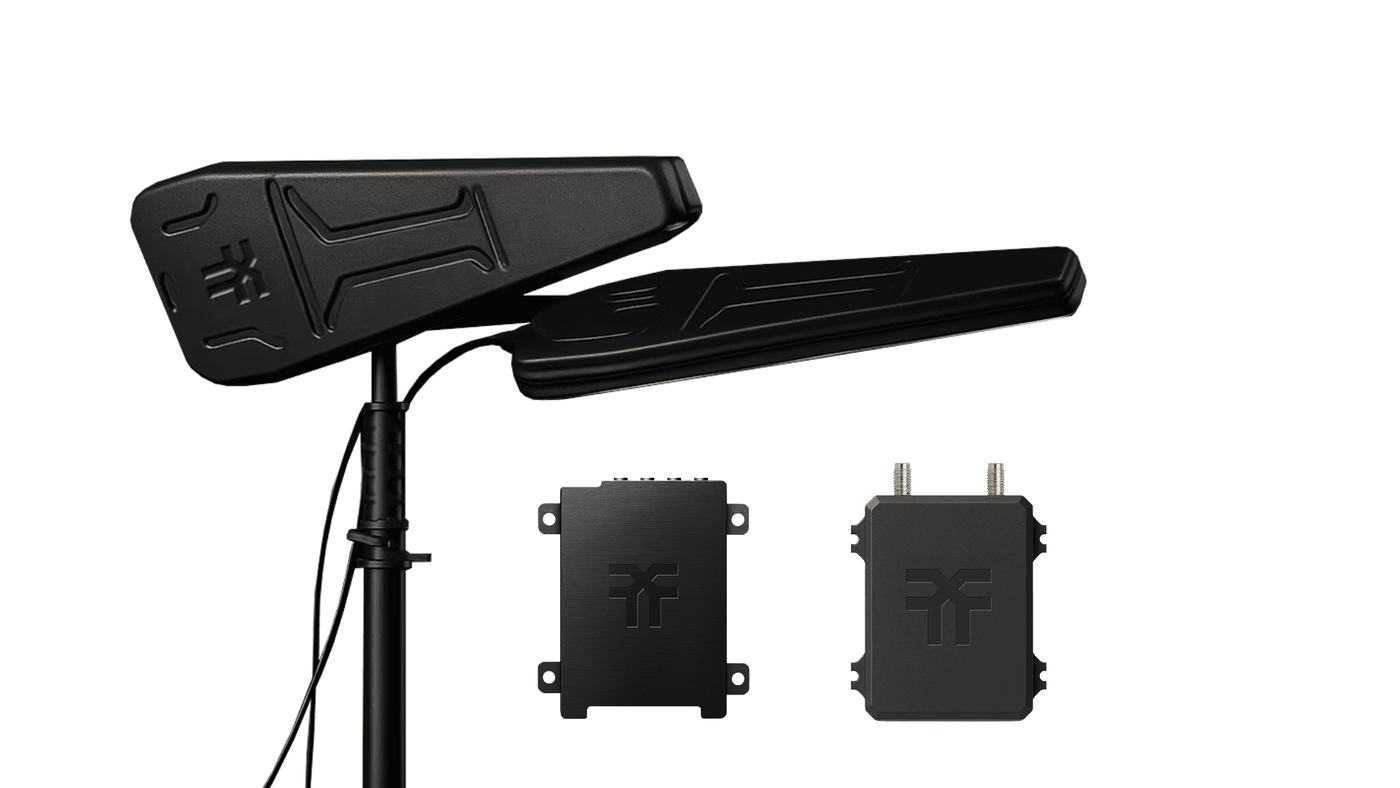
Its modems and antennas carry HD video and telemetry through active jamming and fit UAVs, UGVs, and VTOLs without airframe changes.
Stable video from a drone flown 170 km out; R&D contract with Estonia’s Ministry of Defence.
More about Teletactica
- Sector
- Communications
- Sub-sector
- Long-Range Encrypted Wireless
- Business model
- Hardware & Software
- Vintage
- 2025 (Q2)
Teletactica is rewriting battlefield connectivity. Its encrypted, EW-resistant radios stream HD video and telemetry 100 km+ with negligible packet loss under active jamming (performance that knocks legacy links offline) at a fraction of legacy prices. The modular hardware-plus-software kit bolts onto UAVs, UGVs, and VTOLs in minutes; no airframe redesign required.
Combat-proven and iterating fast. Hundreds of live sorties on Ukraine's front lines feed straight into the firmware, keeping the product a step ahead of Russian jammers. Twelve drone OEMs have already integrated the system, and NATO codification is underway. A 100% EU/US supply chain means no sanctioned parts and smooth procurement for allied forces.
Why it wins. Drones live or die on comms. Teletactica delivers five-to-one price-performance over incumbents like Silvus or DTC, in a rucksack-ready form factor. Rugged, scalable, and battle-validated, it's set to become the default secure link for autonomous systems across NATO and beyond.